Can You Get All-on-4 Implants with Low Bone Density Without a Bone Graft?
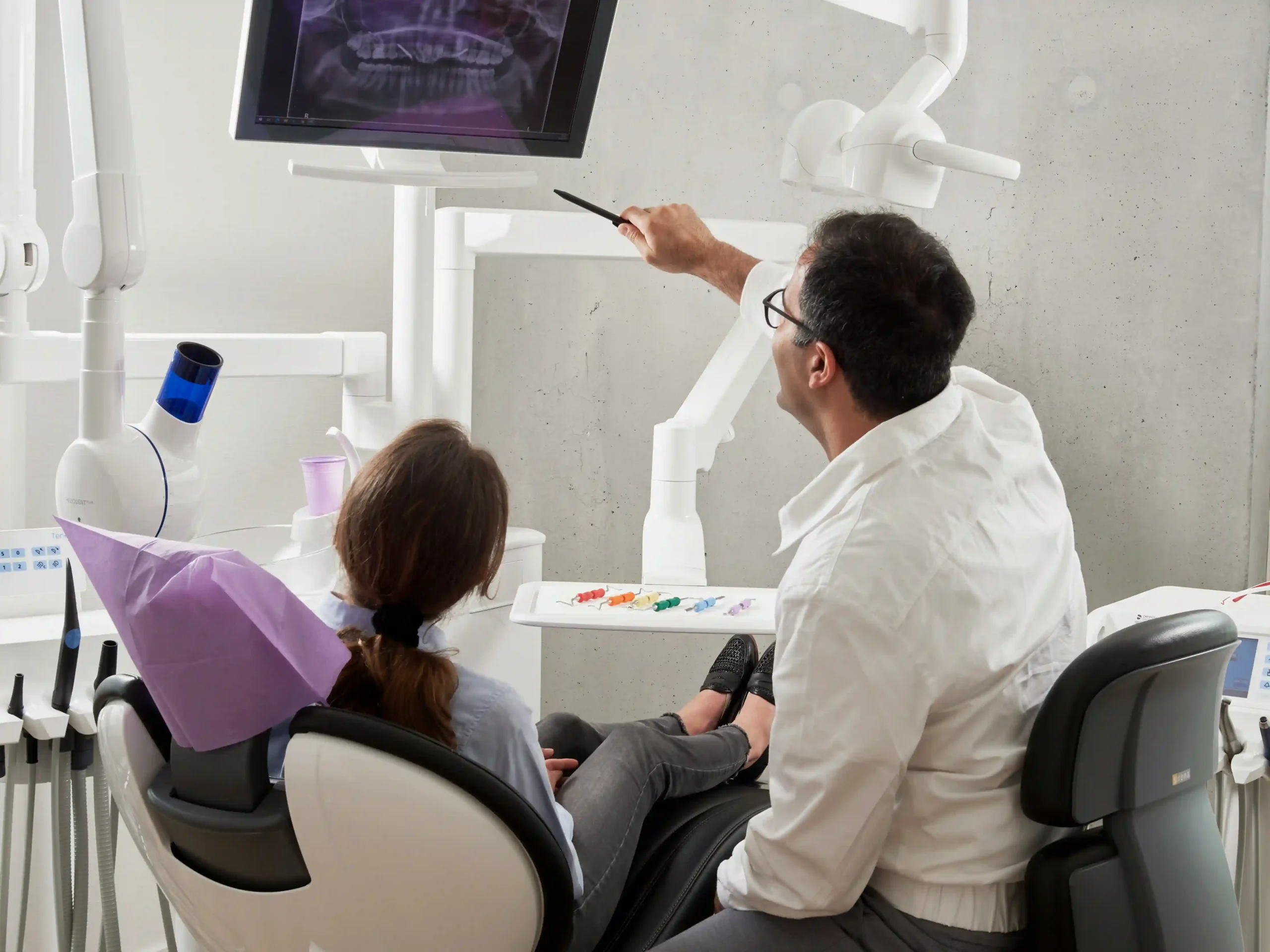
Yes, some patients with reduced jawbone volume or density can receive All-on-4 dental implants without a bone graft. The technique uses strategically positioned implants, including angled implants towards the back of the jaw, to make use of the bone that remains.
However, low bone density does not automatically mean you are suitable for treatment, and avoiding a bone graft cannot be guaranteed. The amount of available bone, its quality, the position of nerves and sinuses, your medical history and the forces your bite places on the replacement teeth all influence the decision.
For patients considering All on 4 Implants In London, the first step is to establish whether the existing bone can support implants safely and predictably. A clinical examination and appropriate three-dimensional imaging help the implant dentist assess this.
Why does low bone density affect dental implants?
Your jawbone provides the foundation that holds dental implants in place. After a tooth is lost, the surrounding bone gradually changes because it no longer receives stimulation through that tooth’s root. Gum disease can also damage the bone supporting natural teeth.
Over time, these changes may reduce the height and width of the jaw. The bone may also vary in density from one area to another.
Two factors need to be distinguished:
- Bone volume: How much bone is available to accommodate an implant.
- Bone quality: The structure and density of the bone, which influence initial implant stability and healing.
An implant needs enough suitable bone around it to achieve stability and integrate with the jaw. Even if there appears to be sufficient bone on a conventional X-ray, its dimensions and relationship to nearby anatomical structures may require closer investigation.
Osteoporosis is another consideration, but a diagnosis does not automatically rule out dental implants. The dentist must also review relevant medication, general health and other factors that could affect healing.
How All-on-4 can work with reduced bone volume
All-on-4 is a full-arch treatment in which four dental implants are used to support a fixed bridge replacing most or all teeth in one jaw. The approach is designed to make strategic use of the available bone rather than necessarily rebuilding every area where bone has been lost.
The two front implants are generally positioned in the anterior jaw, while the two rear implants may be angled to accommodate the available anatomy. This can help the dentist avoid certain areas of reduced bone volume or important structures, such as the maxillary sinuses in the upper jaw and the nerve canal in the lower jaw.
Angling an implant does not make weak bone suitable automatically. Each implant still needs adequate bone support and sufficient initial stability. The planned bridge must also distribute biting forces appropriately.
For suitable patients, this approach may make All-on-Four Implants In London possible without extensive grafting. It is a treatment-planning option, not a guarantee that grafting will be unnecessary.
When might a bone graft still be necessary?
A bone graft adds material to an area of the jaw where more bone is needed to support an implant. The material acts as a framework into which the body’s bone can grow.
Grafting may still be considered when:
- Bone loss affects the front and back of the jaw: There may not be enough suitable bone for the planned implant positions.
- The jaw has a significant defect: Previous surgery, trauma or advanced gum disease may have left an area requiring reconstruction.
- Implant stability cannot be achieved: The remaining bone may not provide adequate support for the intended restoration.
- The proposed restoration requires a different implant arrangement: An alternative design may offer a more appropriate long-term result.
Where extensive grafting is necessary, treatment can involve additional surgery and several months of healing before implants are placed. In other cases, a smaller graft may be possible at the time of implant placement.
The aim is not simply to avoid a graft at all costs. It is to select an approach that provides a sound foundation for the replacement teeth.
What does the implant assessment involve?
If you are considering Full Arch Implants In London and have been told that your bone is too weak or too thin, a detailed assessment can clarify your options.
Your dentist will usually consider three main areas.
- Clinical examination and medical history
The dentist assesses your remaining teeth, gum health, bite and ability to maintain the proposed bridge. Your medical history, smoking status and medicines are also relevant. If you have osteoporosis or take medication affecting bone metabolism, disclose this before treatment planning.
- Three-dimensional imaging
A cone beam computed tomography (CBCT) scan may be used to measure the jawbone and identify nearby nerves, sinuses and other anatomical structures. This helps the dentist determine where implants might be positioned safely.
- Planning the replacement teeth
Implant positioning must support the planned bridge, not just fit the available bone. The dentist considers chewing forces, the shape of the restoration, appearance and whether you will be able to clean underneath the fixed teeth.
The findings should inform a clear explanation of the recommended approach, its limitations and any alternatives.
What if All-on-4 without grafting is not suitable?
Not being suitable for this particular technique does not necessarily mean that all implant treatment is impossible.
Depending on the findings, your dentist may discuss:
- Bone grafting before or during implant placement.
- A different implant arrangement, potentially using more implants where appropriate.
- Alternative implant techniques for selected cases with severe upper-jaw bone loss.
- An implant-retained removable denture or a conventional denture if fixed teeth are not a suitable option.
Each option has different surgical requirements, maintenance needs and limitations. The best choice depends on your anatomy, general health, priorities and the likely long-term performance of the restoration.
Making the right decision for your jawbone
Low bone density does not automatically rule out All-on-4, and some patients can receive a fixed full-arch bridge without bone grafting. The deciding factor is whether your existing jawbone can safely support the planned implants and restoration.
If you are researching a Full Arch Implant Clinic London, look for an assessment that explains your scan findings, the reasoning behind the proposed implant positions and the alternatives available if grafting is needed. A recommendation should be based on your clinical findings rather than a promise that every patient can avoid additional surgery.
With appropriate examination, imaging and planning, you can make a better-informed decision about whether All-on-4 without a bone graft is a realistic option for you.