Full Arch Implants and Aging: Why It’s Never Too Late for a New Smile
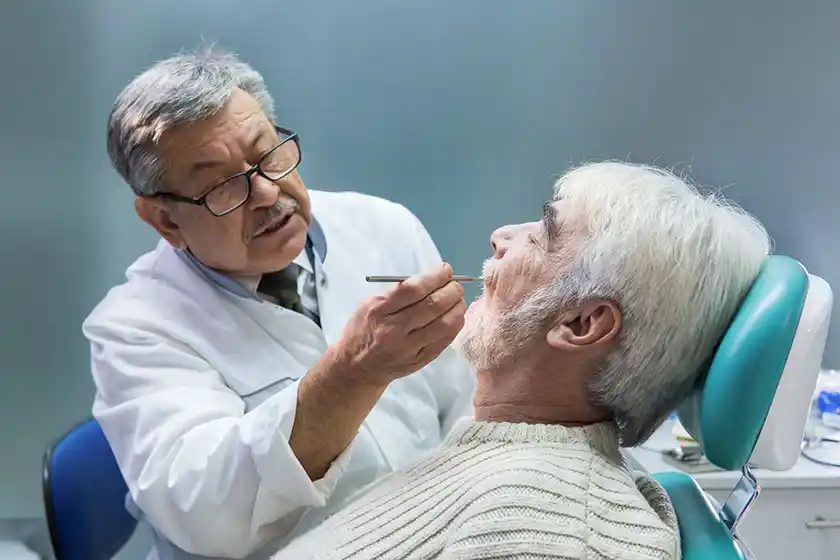
Losing your teeth, struggling with loose dentures or living with several failing teeth can become increasingly frustrating as you get older. Many people assume that dental implant treatment is only suitable for younger adults and that, after a certain age, replacing an entire set of teeth is no longer realistic.
However, age alone does not prevent someone from having dental implants.
Full arch implants in London may be a suitable option for older adults who have lost most or all of their teeth, provided their general health, jawbone condition and ability to maintain their new teeth have been properly assessed.
Modern implant dentistry allows dentists to consider full jaw reconstruction for patients in their 60s, 70s and even 80s. The decision is not based simply on how old someone is. It depends on their individual clinical circumstances.
For many people, the real question is not whether they are too old, but whether their mouth and general health can support treatment safely.
Does Age Affect Your Suitability for Full Arch Dental Implants?
There is no fixed upper age limit for dental implant treatment.
Research and international clinical consensus indicate that older adults can achieve successful implant outcomes comparable to younger patients. The International Team for Implantology (ITI) has specifically concluded that advanced age, including being over 75, is not by itself a contraindication to implant therapy.
Nevertheless, ageing can bring changes that influence treatment planning.
A dentist may need to consider:
- Bone density: Changes in bone structure can influence implant placement and initial stability.
- Gum health: Existing periodontal disease, which affects the tissues supporting teeth, needs appropriate management.
- Medical conditions: Diabetes, cardiovascular conditions and other illnesses may influence surgical planning and healing.
- Medication: Certain medicines, particularly high-dose antiresorptive treatments, can increase the risk of complications.
- General mobility: Patients need to be able to attend follow-up appointments and maintain their implants.
These factors matter more than chronological age alone.
Why Older Adults Consider Full Jaw Reconstruction
For someone who has struggled with missing teeth or dentures for years, replacing an entire arch can offer practical benefits beyond appearance.
1. Greater Stability When Eating
Traditional dentures rest on the gums and rely on their fit, shape and sometimes adhesive to remain stable.
As the jawbone changes over time, dentures can become loose, making chewing uncomfortable or unpredictable.
Full arch implants use dental implants placed into the jawbone to support a fixed bridge of replacement teeth. This can provide greater stability when eating and speaking.
However, patients should understand that fixed implant teeth do not necessarily provide exactly the same sensation or function as natural teeth.
2. Supporting Facial Appearance
Following tooth loss, the jawbone can gradually shrink because it no longer receives the stimulation associated with natural tooth roots.
This process is known as alveolar bone resorption.
Over time, changes in the jawbone and loss of dental support can influence the appearance of the lower face, particularly around the lips and cheeks.
A carefully planned full arch restoration can replace missing teeth and provide support to the lips and surrounding facial tissues.
It cannot reverse every age-related facial change, but restoring dental support may improve facial proportions in suitable patients.
3. Greater Confidence in Everyday Life
Living with missing or failing teeth can affect how someone speaks, smiles and interacts socially.
Some people become reluctant to eat with others or avoid photographs because they feel uncomfortable about their teeth.
A fixed replacement may help reduce these difficulties by providing a more stable and natural-looking set of teeth.
The psychological benefits are worth considering alongside the clinical requirements.
What If You Have Already Experienced Significant Bone Loss?
Bone loss is a common concern among older adults, particularly those who have worn removable dentures for many years.
When teeth are lost, the jawbone gradually loses some of the stimulation previously provided by their roots. This can reduce the amount of bone available for conventional implant placement.
However, reduced bone volume does not automatically mean that full arch implants are impossible.
A dentist may consider:
- Angled implant placement to make use of available bone.
- Different implant positions to distribute biting forces.
- Bone grafting where additional support is required.
- Alternative implant-supported restorations where appropriate.
A CBCT scan (three-dimensional dental scan) can help assess bone volume, anatomical structures and potential implant positions.
The most appropriate approach depends on the remaining bone, the patient’s anatomy and the restoration being planned.
Importantly, not every patient with bone loss requires bone grafting, and not every patient can avoid it.
What Does a Dentist Assess Before Treatment?
For older patients, full jaw reconstruction requires more than simply checking whether there is enough bone for implants.
A responsible assessment should consider the entire patient, not just their mouth.
| Assessment Area | Why It Matters |
|---|---|
| Medical history | Identifies conditions that may affect surgery and healing. |
| Medication | Helps identify potential surgical risks and interactions. |
| Gum health | Existing infection or periodontal disease needs management. |
| Jawbone condition | Determines potential implant positions and stability. |
| Bite and jaw function | Helps plan how biting forces will be distributed. |
| Oral hygiene | Determines whether the patient can maintain the restoration. |
| General mobility | Helps establish whether ongoing care and reviews are practical. |
For example, someone with well-controlled diabetes may be suitable for implant treatment, whereas someone with poorly controlled diabetes may need additional medical management before surgery.
Similarly, patients taking medication for osteoporosis or cancer-related bone conditions should disclose their full medication history. Some treatments can increase the risk of medication-related osteonecrosis of the jaw, a condition involving impaired healing of jawbone tissue.
This is why medical and dental assessment must happen before treatment decisions are made.
What Is Smile in a Day Dental Implant Treatment?
The overall treatment process is broadly similar for older and younger adults, although the planning may need to account for individual health and healing requirements.
- Initial consultation
The dentist discusses your dental history, existing problems, expectations and medical background.
- Clinical examination and 3D imaging
Your gums, remaining teeth, bite and jawbone are assessed. CBCT imaging may be used to plan implant positions.
- Personalised treatment planning
The dentist determines how many implants may be needed, whether extractions are required and which type of fixed restoration is appropriate.
- Implant placement
Implants are surgically positioned in the jawbone under appropriate anaesthesia. A temporary restoration may be provided when the clinical conditions allow.
- Healing and final teeth
The implants need time to integrate with the surrounding bone, a process called osseointegration. Once healing and stability have been assessed, the final bridge can be fitted.
Not every patient will receive fixed teeth on the day of surgery. Immediate loading depends on factors such as implant stability, bone quality and bite forces.
How Much Do Full Arch Implants Cost?
Age does not automatically change the price of full arch treatment. The overall cost depends on the number of arches being treated, the restoration material and the clinical work required.
Fixed Teeth Solutions’ pricing:
- Classic: £7,997 per arch.
- Signature: £11,995 per arch.
- Elite: £15,995 per arch.
For full-mouth treatment (both upper and lower arches), the published prices are £14,995, £21,995 and £27,995 respectively.
These are treatment prices, not a personalised quotation. The appropriate option and any additional clinical requirements need to be confirmed following assessment.
Maintaining Your New Teeth as You Age
Receiving full arch implants is only one part of the journey. Long-term maintenance is particularly important for older patients.
Implants can develop peri-implantitis, an inflammatory condition affecting the tissues and bone around an implant. It can eventually lead to implant failure if not managed.
Good maintenance involves:
- Cleaning around the implant-supported bridge every day.
- Using appropriate interdental cleaning aids.
- Attending regular professional implant reviews.
- Having professional cleaning when recommended.
- Avoiding smoking, which can increase implant complications.
- Seeking advice if you notice bleeding, swelling, discomfort or looseness.
If arthritis, reduced hand movement or other mobility difficulties make cleaning difficult, adapted cleaning aids or assistance from a caregiver may help.
Your restoration should be designed with practical cleaning in mind.
Is It Ever Too Late to Consider Full Arch Implants?
Growing older does not mean you have to accept loose dentures, failing teeth or difficulties eating without exploring your options.
Full arch implants in London may be considered at different stages of life, including for patients who have worn dentures for many years.
However, the right decision depends on more than age or appearance. Bone availability, medical history, medication, gum health, surgical risks and the ability to maintain the restoration all need consideration.
For patients in London considering treatment at Fixed Teeth Solutions, an individual clinical assessment can help establish whether full jaw reconstruction is appropriate and what alternatives may be available.
The most important consideration is not how many birthdays you have celebrated, but whether implant treatment can offer a worthwhile, safe and maintainable improvement to your oral health and quality of life.